Why Can Carbon Form Very Large Molecules
Why Is Carbon Present In So Many MoleculesCarbon is the only element that can form so many different compounds because each carbon atom can form four chemical bonds to other atoms and because the carbon atom is just the right small size to fit in comfortably as parts of very large moleculesWhic. 6 Why can carbon form very large molecules.

Carbohydrates Physics Lessons Teaching Biology Science Notes
7 Which of the following best describes a possible carbon compound quizlet.

. Carbon is found in energy-storing molecules. What happens when organic molecules decompose. -Carbon chains can bond with carbon rings to form very large complex molecules.
Life is based on the chemistry of carbon. Catenation Two carbon atoms readily form covalent bonds and this bond is more stable than the bonds formed by the other elements. There are two main reasons.
Its Its 4 valence forms ionic bonds. Carbon can bond with many elements. It can bond with other.
It has a natural ionic charge of 4. And when atoms bond together theyll have a difference in electronegativity and this difference in electronegativity usually what. Biochemistry or biological chemistry is the study of chemical processes within and relating to living organisms.
Why can carbon form very large molecule. Carbon atoms have varying bond order and hybridisation. It can bond with other carbon atoms that are bonded to other molecules.
Structural biology enzymology and metabolismOver the last decades of the 20th century biochemistry has become successful at explaining living processes through these. Joined by covalent bonds. Carbon is found in all living things.
If you look at the electronegativity chart youll see silicon has 18 carbon has 25 and oxygen has 35 electronegativity. Carbon-carbon bonds are strong and stable. This forms a long chain of carbonsoften called the skeleton of the molecule which can be very long.
Well its about electronegativity. It is this special property of carbon atoms that make them so important. Carbon atoms can link to other carbon atoms to create long carbon strings that form the backbone of many natural organic molecules.
Tetra valency Carbon atoms readily form covalent bonds with the other atoms. These large molecules can. Carbon plays an essential role in biology because of its ability to form many bondsup to four per atomin a seemingly endless variety of complex organic molecules.
Which reason best explains why carbon is able to form macromolecules. Many organic molecules contain carbon atoms that have formed strong bonds to other carbon atoms combining into long chains and rings. Carbon can form four covalent bonds with other atoms andor molecules.
Also since nearly all molecules in the body contain carbon carbon is so essential to life. Why can carbon form very large molecules. Its 4 valence forms ionic bonds.
Carbon Makes Organic Molecules Why Carbon Carbon is the second most abundant element in living organisms Carbon can share four electrons therefore it can bond to four additional atoms Carbon establishes covalent bonds stable high energy bonds. Because at high temperatures carbon combines readily with oxygen that is present in compounds with metals large quantities of coke an inexpensive form of carbon are used in metallurgical processes to reduce remove oxygen from metal oxide ores such as those of iron and zinc. A tally of unique.
A sub-discipline of both chemistry and biology biochemistry may be divided into three fields. Carbon is the only element that can form so many different compounds because each carbon atom can form four chemical bonds to other atoms and because the carbon atom is just the right small size to fit in comfortably as parts of very large moleculesThey can even join head-to-tail to make rings of carbon atoms. It can bond with other carbon atoms that are bonded to other molecules.
Why can carbon form very large molecules. -Carbon is the only element that can form so many different compounds because each carbon atom can form four chemical bonds to other atoms and because the carbon atom is just the right small size to fit in comfortably as parts of very large molecules. Many organic molecules contain carbon atoms that have formed strong bonds to other carbon atoms combining into long chains and rings.
Carbon plays an essential role in biology because of its ability to form many bondsup to four per atomin a seemingly endless variety of complex organic molecules. What happens when organic molecules decompose. Graphene has a very high melting point.
Why can carbon form very large molecules. It has a natural ionic charge of 4. 8 How many bonds can carbon form.
Carbon can bind to and to other carbon molecules four other groups around it. Very large molecules Graphene. 10 Why does carbon form compounds mainly by covalent bonding.
With hydrogen oxygen nitrogen and other elements it forms a very large number of compounds carbon atom often being linked to another carbon atom. Carbon forms numerous compounds because of the following reasons. Through catenation carbon forms a countless number of compounds.
And each carbon can have 2 more atoms attached to it besides the carbons in the chain. Carbon is lifes fundamental building stone. It can bond with other carbon atoms that are bonded to other molecules.
Due to this extensive boding carbon can form large molecules and even chains tens of thousands of atoms long polymers. Carbon can form very long chains of interconnecting carboncarbon bonds a property that is called catenation. Carbon is a very large element.
And is very strong because of its large regular arrangement of carbon atoms. Carbon is unique among the elements in the vast number and variety of compounds it can form. This is why carbon dating is reliable and carbon is found in all living things.
It forms a large number of bonds with other atoms4 per carbon atom and it really likes bonding to other carbon atoms. 9 Which property allows carbon to form a variety of long chain polymers.
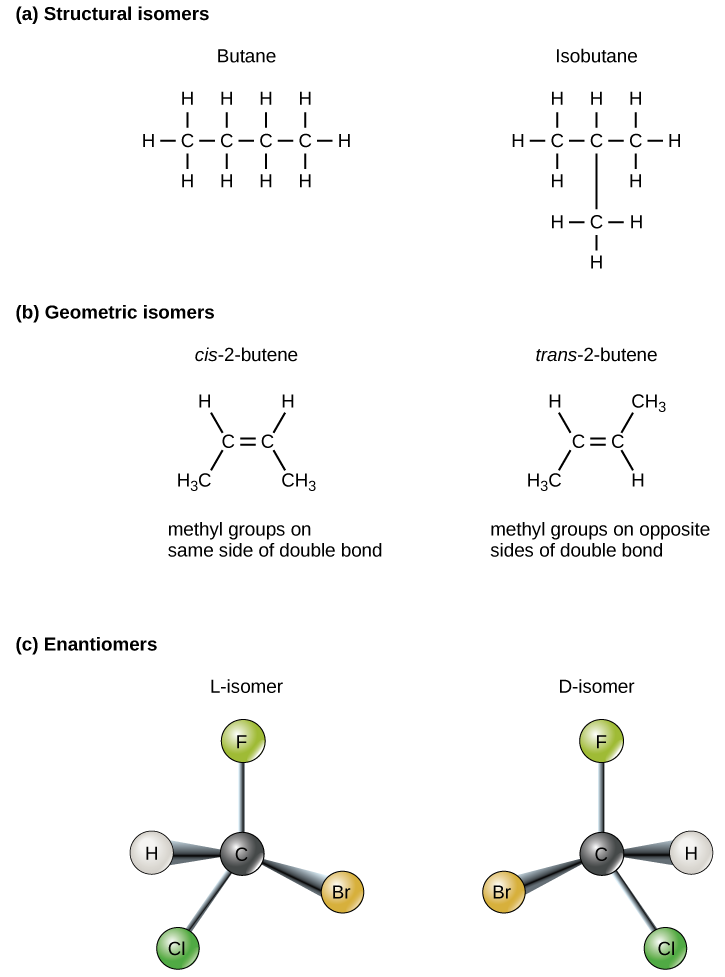
Carbon Biology 2e

Science Wall Art Educational Poster Periodic Table Carbon Etsy Education Poster Chemistry Posters Science Art

Polysaccharide Easy Science Biology Notes 10th Grade Science Flashcards

Carbon Boundless Biology

The 4 Types Of Bonds Carbon Can Form Video Lesson Transcript Study Com

Carbon Boundless Biology
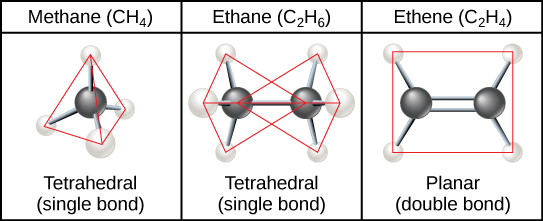
Carbon Biology 2e

Carbon And Carbon Bonding Biology For Non Majors I

The 4 Types Of Bonds Carbon Can Form Video Lesson Transcript Study Com

Carbon Active Reading Organic Molecules Chemistry Lessons Textbook

Carbon Boundless Biology

Carbon Boundless Biology

This Photo Displays A Decomposition Synthesis And Exchange Reactions In A Decomposition Reaction A Large Molecule Is Bro Molecules Synthesis Photo Displays

This Chart Displays The Different Functional Groups Which Are Atoms That Come Off A Carbon Atom And Deter Organic Molecules Functional Group Organic Chemistry
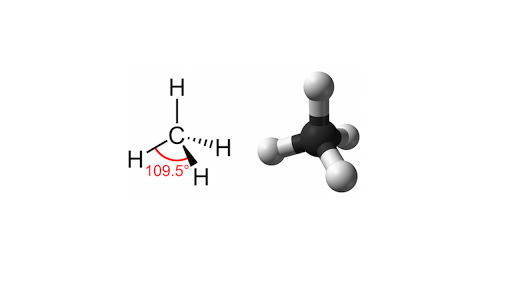
Carbon And Hydrocarbons Article Khan Academy

Carbon And Carbon Bonding Biology For Non Majors I

Polymers Whether Natural Or Artificial Are Big Molecules Made By Linking Up Smaller Repeating Chemical Units The What Are Polymers Polymer Natural Polymers

Carbon Chemistry Carbon Atoms Can Form Single Double Or Triple Bonds With Other Carbon Atoms Carbon Can Form Up To 4 Bonds Lipid Profile Chemistry Molecules

Tetryonics 58 01 Functional Groups Are Collections Of Hydrogen Carbon Nitrogen And Oxygen Atoms In Molecules Or Compounds That Participate In Characteristic


Comments
Post a Comment